


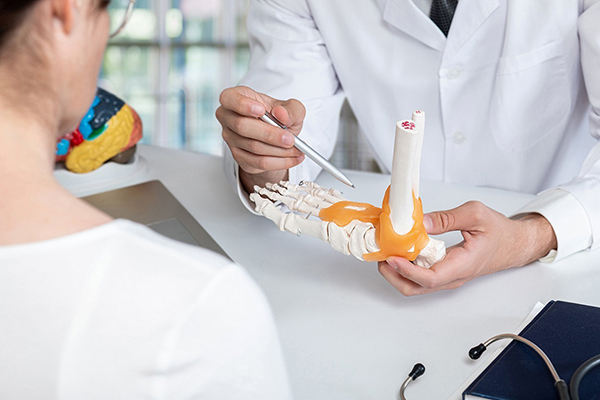
Chronic foot pain can affect every aspect of daily life, from walking and exercising to working and spending time with family. Whether the discomfort is caused by arthritis, a sports injury, a deformity, or a previous fracture, finding the right specialist is often the first step toward lasting relief. Knowing what qualities to look for in a foot surgeon in Charleston, SC, can help you make an informed and confident healthcare decision.
What Should You Look for in a Foot Surgeon?
There is no single "best" foot surgeon for every patient. The right surgeon is one whose training, experience, and expertise match your specific foot or ankle condition.
When choosing a foot surgeon, consider factors such as:
- Board certification in orthopedic surgery
- Fellowship training in foot and ankle surgery
- Experience treating both common and complex foot conditions
- Expertise in nonsurgical and surgical treatment options
- A patient-centered approach to individualized care
- Access to advanced diagnostic imaging and surgical techniques
A specialist who routinely treats a wide range of foot and ankle disorders is often well equipped to recommend the most appropriate treatment while avoiding unnecessary surgery whenever possible.
Conditions a Foot Surgeon Commonly Treats
Foot surgeons manage many conditions that can limit mobility and affect quality of life. Some of the most common include:
- Foot arthritis
- Bunions
- Flatfoot deformity
- Hammertoes
- Plantar fasciitis
- Achilles tendon injuries
- Tendon disorders
- Foot and ankle fractures
- Sports-related foot injuries
- Cartilage injuries
- Chronic ankle instability
- Post-traumatic deformities
Because many of these conditions involve multiple structures within the foot and ankle, comprehensive evaluation is essential to determine the true source of pain before recommending treatment.
Advanced Surgical Treatments That Restore Function
When conservative care no longer provides adequate relief, surgery may help reduce pain, improve mobility, and restore function.
Depending on the diagnosis, treatment options may include:
- Joint-preserving procedures for selected cases of arthritis
- Foot and ankle fracture repair
- Tendon reconstruction
- Ligament reconstruction
- Flatfoot reconstruction
- Bunion correction
- Cartilage restoration procedures
- Joint fusion for advanced arthritis
- Complex reconstructive surgery for deformity correction
The goal is not simply to address symptoms but to restore proper alignment, improve biomechanics, and support long-term function. Foot surgeons who specialize in reconstructive surgery, cartilage preservation, sports injuries, and arthritis management can tailor treatment plans to each patient's unique needs.
Why Experience Matters for Complex Foot Conditions
Some foot problems are straightforward, while others require advanced surgical planning and specialized expertise.
Patients with severe arthritis, previous failed surgeries, complex fractures, deformities, or chronic tendon injuries often benefit from evaluation by a surgeon with extensive experience in foot and ankle reconstruction. Managing these conditions may require combining multiple techniques to restore stability, alignment, and function.
Advanced imaging, careful preoperative planning, and evidence-based surgical techniques help improve accuracy and support better long-term outcomes.
Preparing for Foot Surgery
Before recommending surgery, a foot surgeon performs a detailed evaluation to understand the cause of your symptoms and determine whether surgery is appropriate.
The evaluation may include:
- A comprehensive physical examination
- Weight-bearing X-rays
- CT or MRI scans when necessary
- Review of previous injuries or surgeries
- Discussion of your lifestyle, activity level, and treatment goals
Many patients improve with nonsurgical care, including physical therapy, orthotics, activity modification, medications, or injections. Surgery is typically recommended only when these treatments no longer provide meaningful relief.
Recovery After Foot Surgery
Recovery depends on the type of procedure performed and the condition being treated.
Patients may need a period of limited weight bearing, followed by gradual rehabilitation and physical therapy. Recovery focuses on protecting the surgical repair while restoring strength, flexibility, balance, and walking mechanics.
Although healing times vary, many patients experience significant improvements in pain, mobility, and overall quality of life when surgery is appropriately matched to their condition.
Finding the Right Foot Surgeon in Charleston, SC
Choosing a foot surgeon involves more than comparing credentials. Patients should look for a specialist who listens carefully, explains treatment options clearly, and develops personalized care plans based on their diagnosis and lifestyle.
Surgeons with expertise in foot and ankle reconstruction, total ankle replacement, sports injuries, tendon disorders, deformity correction, cartilage restoration, and revision surgery are well prepared to manage both routine and highly complex conditions. This breadth of experience allows patients in Charleston, SC, to receive comprehensive care that addresses the underlying cause of pain rather than simply treating symptoms.
Frequently Asked Questions
How do I choose the best foot surgeon in Charleston, SC?
Look for an orthopedic surgeon with fellowship training in foot and ankle surgery, extensive experience treating your specific condition, and expertise in both nonsurgical and surgical treatment options.
When should I see a foot surgeon for foot pain?
If foot pain lasts for several weeks, worsens over time, limits your daily activities, or does not improve with rest and conservative treatment, it is a good idea to schedule an evaluation.
Will I always need surgery for a foot condition?
No. Many foot conditions can be successfully managed with nonsurgical treatments such as physical therapy, orthotics, medications, supportive footwear, or activity modification. Surgery is typically considered only when conservative treatments are no longer effective.
What conditions require specialized foot surgery?
Advanced arthritis, complex fractures, severe deformities, tendon injuries, failed previous surgeries, chronic instability, and cartilage damage often require specialized evaluation and treatment.
How long does it take to recover from foot surgery?
Recovery varies depending on the procedure performed, your overall health, and the complexity of the condition. Some patients recover within a few weeks, while more extensive reconstructive procedures may require several months of rehabilitation.
Take the First Step Toward Lasting Foot Pain Relief
If persistent foot pain is affecting your mobility or limiting the activities you enjoy, seeking an evaluation from an experienced foot and ankle specialist can help identify the underlying cause and determine the most appropriate treatment. With a personalized approach and expertise in both conservative care and advanced reconstruction, patients in Charleston, SC, can explore solutions that support lasting pain relief and improved function.
Dr. Christopher E. Gross is a board-certified orthopedic surgeon specializing exclusively in foot and ankle care. He has extensive experience treating a wide range of conditions, from sports injuries and ankle arthritis to complex deformities and revision surgery. With expertise in advanced procedures such as total ankle replacement, ligament reconstruction, cartilage restoration, and minimally invasive techniques, Dr. Gross is committed to providing personalized, evidence-based care that helps patients restore mobility, reduce pain, and return to the activities they enjoy.