


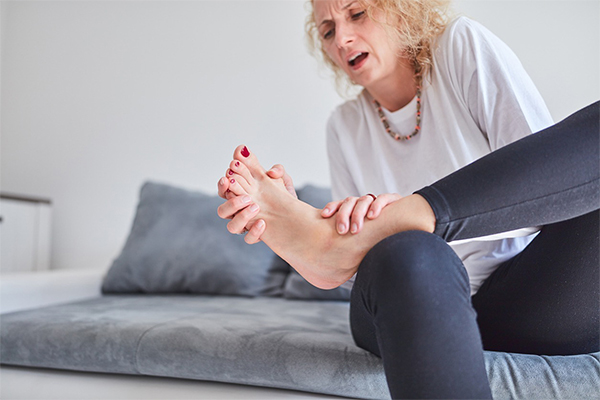
Foot arthritis can gradually turn everyday movements into painful challenges, making it difficult to walk, exercise, or even stand comfortably for long periods. While many people find relief with medications, physical therapy, supportive footwear, and orthotics, surgery may become an option when conservative treatments no longer provide lasting improvement. Understanding the available surgical treatments for foot arthritis in Charleston, SC, can help you make informed decisions about restoring comfort, mobility, and quality of life.
Understanding Foot Arthritis and When Surgery May Be Recommended
Foot arthritis occurs when the cartilage that cushions the joints gradually wears away, causing bones to rub together. This can lead to pain, swelling, stiffness, reduced range of motion, and difficulty with daily activities.
Several forms of arthritis can affect the foot, including osteoarthritis, rheumatoid arthritis, and post-traumatic arthritis that develops after a previous injury or fracture.
Surgery is typically considered only after nonsurgical treatments have been exhausted. Patients experiencing persistent pain, worsening deformity, joint instability, or significant limitations in mobility may benefit from a surgical evaluation. A foot and ankle specialist in Charleston, SC, can determine the most appropriate treatment based on the affected joints, severity of arthritis, activity level, and overall health.
Joint Fusion for Painful Arthritic Foot Joints
Joint fusion, also called arthrodesis, is one of the most common surgical treatments for advanced foot arthritis. During this procedure, the damaged joint surfaces are removed, and the bones are permanently joined together to eliminate painful movement.
Although the fused joint no longer moves, many patients experience substantial pain relief and improved stability. Fusion is often recommended for arthritis affecting the midfoot, hindfoot, or certain smaller joints where preserving motion is less important than restoring comfort and function.
Advances in fixation techniques and surgical planning have improved the reliability of fusion procedures while helping patients return to everyday activities with greater confidence.
Joint-Preserving Procedures for Selected Patients
Not every patient with foot arthritis requires joint fusion. In carefully selected cases, joint-preserving procedures may help relieve pain while maintaining as much natural movement as possible.
These procedures may include:
- Removal of bone spurs that limit motion
- Cartilage restoration techniques for localized joint damage
- Osteotomies to realign bones and reduce stress on arthritic joints
- Soft tissue procedures that improve joint mechanics
Joint-preserving surgery is generally considered when arthritis is limited to specific areas and enough healthy cartilage remains to support continued joint function. Careful imaging and evaluation help determine whether this approach is appropriate.
Correcting Foot Deformities Associated With Arthritis
Arthritis frequently develops alongside foot deformities that place uneven pressure on the joints. Conditions such as bunions, flatfoot deformity, or structural instability may contribute to worsening pain and reduced function.
In some patients, surgical correction of these deformities is performed along with arthritis treatment to improve alignment and distribute weight more evenly across the foot. Addressing both the arthritis and the underlying mechanical problem may improve long-term outcomes and reduce stress on neighboring joints.
Foot and ankle surgeons experienced in reconstructive surgery often combine multiple techniques to create a treatment plan tailored to each patient's anatomy and lifestyle.
Preparing for Foot Arthritis Surgery
Before recommending surgery, your specialist will perform a comprehensive evaluation to identify the exact source of pain and determine which joints are affected.
The evaluation may include:
- A detailed physical examination
- Weight-bearing X-rays
- CT or MRI scans when needed
- Review of previous injuries or surgeries
- Assessment of your overall health and activity goals
Patients are encouraged to optimize their health before surgery by managing chronic medical conditions, maintaining a healthy weight, quitting smoking, and following all preoperative instructions to promote healing.
What to Expect During Recovery
Recovery depends on the type of procedure performed and the number of joints treated.
Many patients require a period of limited weight-bearing followed by progressive rehabilitation. Protective boots or casts may be used while the bones heal. Physical therapy often helps restore strength, flexibility, balance, and walking mechanics once healing has progressed.
Although complete recovery may take several months, many patients experience significant improvements in pain, stability, and daily function after successful surgery for foot arthritis.
Why Specialized Foot and Ankle Care Matters
Treating foot arthritis often requires more than simply addressing joint pain. Foot and ankle specialists evaluate the entire structure of the foot, including alignment, ligament stability, tendon function, cartilage health, and any previous injuries or deformities that may influence treatment decisions.
Experience in reconstructive foot surgery, cartilage preservation, deformity correction, sports-related injuries, and complex arthritis management allows specialists to develop individualized surgical plans designed to restore both comfort and long-term function.
Frequently Asked Questions
When should I consider surgery for foot arthritis?
Surgery may be recommended when pain continues despite medications, physical therapy, orthotics, supportive footwear, or activity modification and your symptoms significantly interfere with daily life.
Is joint fusion the only surgical option for foot arthritis?
No. Depending on the severity and location of the arthritis, treatment may include joint-preserving procedures, deformity correction, cartilage restoration, or joint fusion. The best option depends on your specific condition.
How long does it take to recover from foot arthritis surgery?
Recovery varies depending on the procedure. Many patients require several weeks of protected weight-bearing, followed by physical therapy and gradual return to normal activities over several months.
Will I still be able to walk normally after joint fusion?
Most patients are able to walk comfortably after healing. Although the fused joint no longer moves, eliminating painful motion often improves overall function and stability.
Can foot arthritis come back after surgery?
The treated joint is typically addressed permanently through the chosen procedure. However, arthritis may develop in other joints over time, making regular follow-up and ongoing foot care important.
Taking the Next Step Toward Lasting Relief
If persistent foot pain from arthritis is limiting your mobility and quality of life, a comprehensive evaluation can help determine whether surgery is the right option. Consulting a foot and ankle specialist experienced in arthritis treatment and reconstructive foot surgery in Charleston, SC, can help you explore personalized solutions that support long-term comfort, stability, and an active lifestyle.
Dr. Christopher E. Gross is a board-certified orthopedic surgeon specializing exclusively in foot and ankle care. He has extensive experience treating a wide range of conditions, from sports injuries and ankle arthritis to complex deformities and revision surgery. With expertise in advanced procedures such as total ankle replacement, ligament reconstruction, cartilage restoration, and minimally invasive techniques, Dr. Gross is committed to providing personalized, evidence-based care that helps patients restore mobility, reduce pain, and return to the activities they enjoy.