


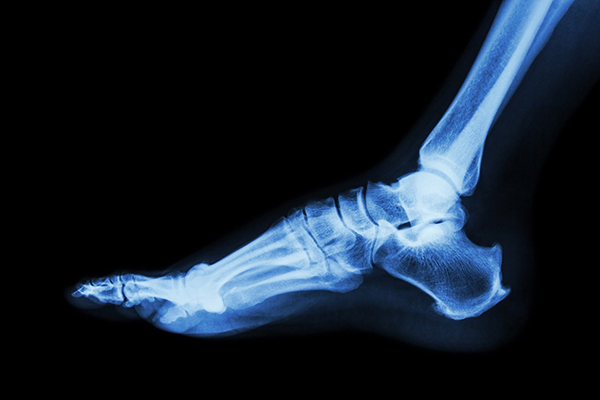
You will feel the results of foot or ankle surgery with every step you take, so the surgeon you choose matters. If you are weighing options in Charleston, SC, a referral or a friendly review may not tell you enough. A few quick credential checks, a short list of questions, and good preparation can help you find a surgeon whose training and experience fit your condition and your goals.
Training to Look for in a Charleston, SC Foot Surgeon
Several kinds of clinicians treat feet, and their training varies. The American Orthopaedic Foot and Ankle Society reports that foot and ankle orthopedic surgeons complete 4 years of medical school, 5 years of orthopedic surgery residency, and 1 to 2 years of advanced foot and ankle training.1 That path covers bones, joints, tendons, and ligaments, with both surgical and nonsurgical care.
As you compare surgeons, check three things:
- Residency: where your surgeon trained in orthopedic surgery
- Fellowship: whether your surgeon completed extra training focused on the foot and ankle
- Board certification: whether your surgeon is certified by the relevant specialty board
Verifying Credentials Yourself
Board certification means a surgeon has met a specialty board's standards, which usually include training requirements and exams. You do not need to take any profile at face value. Most specialty boards and state medical boards offer free online lookup tools, so you can confirm in a few minutes whether a certification or license is active.
That small step can give you real peace of mind before your first appointment.
Matching Experience to Your Condition
Foot and ankle care spans bunions, heel pain, fractures, arthritis, and failed earlier surgery. Your foot has 28 bones and more than 30 joints,2 so experience with your specific problem counts.
Ask how often the surgeon treats your condition. If you have ankle arthritis, ask about both joint preserving and joint replacing options. If you have had surgery before, ask about revision experience. Our foot and ankle expertise covers ankle fractures, ankle instability, arthroscopy, deformity correction, Achilles tendon repair, and ankle joint replacement.
Academic work can be a useful signal too. A surgeon who publishes or teaches is often close to current evidence, and you are welcome to review our published research before your visit.
Questions to Bring to Your Consultation
A good consultation should leave you clear on your diagnosis and your choices. Write down the answers to questions like these:
- What is causing my symptoms, and how certain are you?
- Which nonsurgical options should I try first?
- If I need surgery, which procedure do you suggest, and why?
- What will my recovery look like week by week?
- What are the main risks for me, given my health history?
- What results can I realistically expect?
Notice how your questions are handled. Clear explanations, time for follow up questions, and a willingness to start with conservative care when it makes sense are all good signs.
What a Thorough Evaluation Feels Like
A careful exam is the foundation of a sound plan. A complete foot and ankle examination checks where your pain occurs, feels your bones, ligaments, and tendons, tests nerve function, and looks for deformity and swelling.
Imaging often follows, depending on your symptoms. You should leave with a working diagnosis or a clear path to one.
Getting Ready for Your Visit
Preparation makes your time with the surgeon count. For your first visit, bring a driver's license or other valid ID, your insurance information, reports and imaging such as X rays, MRIs, and CT scans, and a list of your medications.
It also helps to bring:
- A brief timeline of your symptoms
- Treatments you have already tried
- Records from any earlier foot or ankle surgery
- The shoes you wear most often
When a Second Opinion Makes Sense
AOFAS encourages a second opinion from a foot and ankle orthopedic surgeon, particularly when surgery has been recommended.1 Consider one if:
- You were told surgery is your only option
- Your recommended procedure is complex or a revision
- Your diagnosis still feels unclear
- Your questions did not get clear answers
Seeking a second opinion is a normal part of informed care, and a confident surgeon will welcome it.
Frequently Asked Questions
How is a foot and ankle orthopedic surgeon different from other foot specialists?
A foot and ankle orthopedic surgeon is a medical doctor with orthopedic residency and extra foot and ankle training, so you can get surgical and nonsurgical care from one specialist.1
How can you check whether a surgeon is board certified?
Use the free lookup tool from the specialty board, and check your state medical board for license status.
Should you get a second opinion before foot surgery?
It is often wise, especially for complex or elective procedures. AOFAS specifically encourages one when surgery is recommended.1
What should you bring to your first foot surgeon appointment?
Bring your ID, insurance information, earlier imaging and reports, a medication list, and notes on your symptoms and past treatments.
How do you find a fellowship trained foot surgeon in Charleston, SC?
Review surgeon biographies for fellowship training in foot and ankle surgery, then confirm board certification before you book a visit in Charleston, SC.
Taking Your Next Step With Confidence
The right surgeon has training that fits your condition and walks you through your options clearly. If you would like an evaluation with our team in Charleston, SC, contact our office to schedule a consultation.
References
- American Orthopaedic Foot and Ankle Society. What Is a Foot and Ankle Orthopaedic Surgeon? FootCareMD. https://www.footcaremd.org/what-is-a-foot-and-ankle-orthopaedic-surgeon
- American Academy of Orthopaedic Surgeons. Arthritis of the Foot and Ankle. OrthoInfo. https://www.orthoinfo.org/diseases--conditions/arthritis-of-the-foot-and-ankle/
Dr. Christopher E. Gross is a board-certified orthopedic surgeon specializing exclusively in foot and ankle care. He has extensive experience treating a wide range of conditions, from sports injuries and ankle arthritis to complex deformities and revision surgery. With expertise in advanced procedures such as total ankle replacement, ligament reconstruction, cartilage restoration, and minimally invasive techniques, Dr. Gross is committed to providing personalized, evidence-based care that helps patients restore mobility, reduce pain, and return to the activities they enjoy.